
2026-10-24 · Michael 'Mike' Thompson
What Annapolis Homeowners Should Know About Basement Water Intrusion After Spring Rains
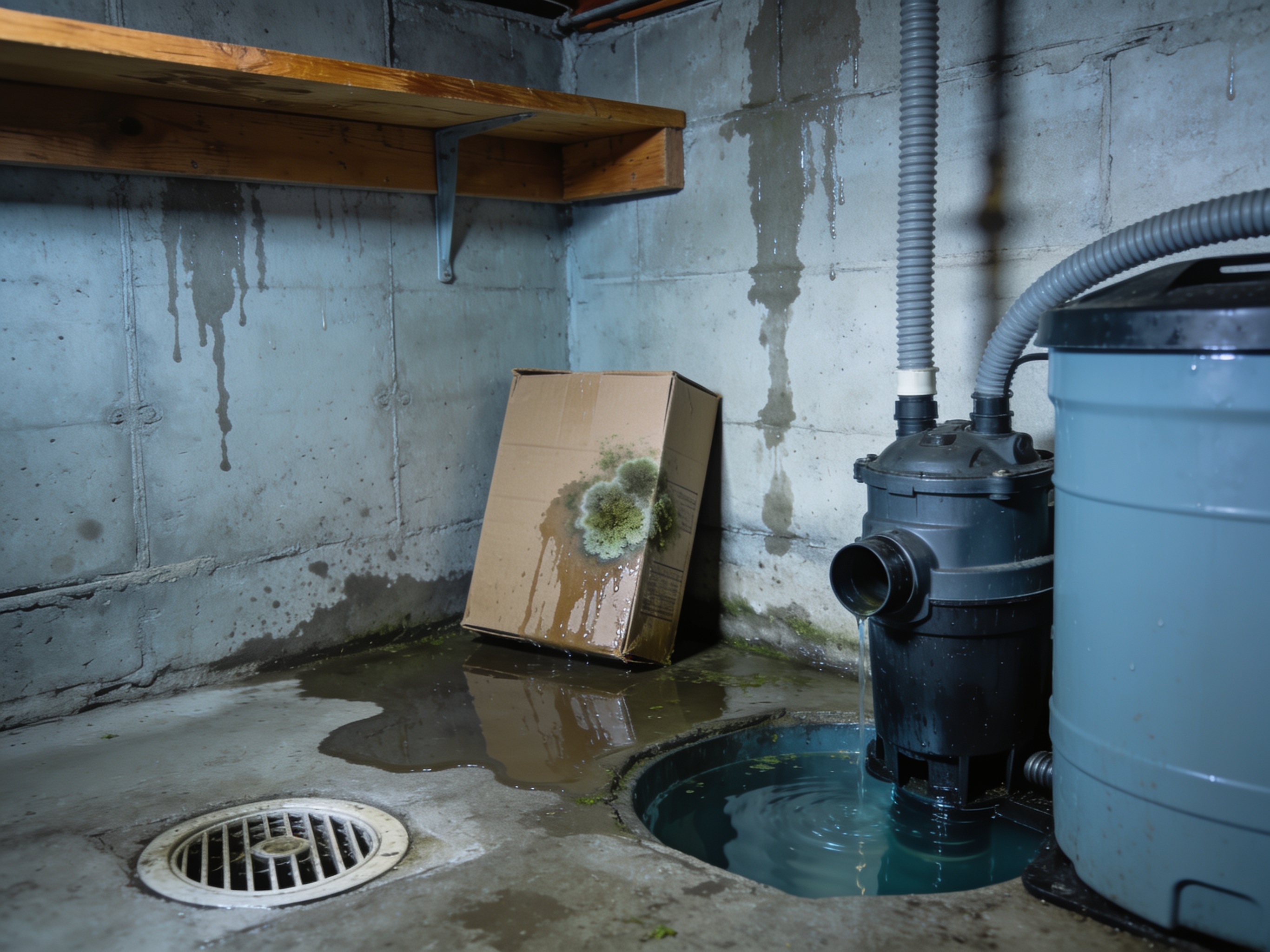
Annapolis homeowners should understand that basement water intrusion after spring rains is a common occurrence, often stemming from saturated ground, clogged gutters, or failing drainage systems. The humid subtropical climate of Anne Arundel County, with its hot summers and cool winters, also brings significant spring rainfall, which can quickly overwhelm older homes, especially in areas like Historic Annapolis or Murray Hill where properties often have older foundations and less robust exterior drainage. Addressing these issues promptly can prevent extensive damage, with professional intervention often necessary to properly dry and restore affected areas, avoiding long-term problems like mold growth or structural compromise.
Common Causes of Basement Water Intrusion in Annapolis
Spring in Annapolis brings a unique set of challenges for homeowners, particularly regarding water management around their properties. The consistent rainfall during this season, combined with the region's generally high water table, often leads to basements experiencing water intrusion. One primary culprit is hydrostatic pressure, which builds up as the soil around your foundation becomes saturated. This pressure can force water through cracks in foundation walls or floors, even through seemingly solid concrete. Homes in low-lying areas or near the Chesapeake Bay, such as Eastport or Admiral Heights, are particularly susceptible to this phenomenon. Additionally, aging infrastructure, common in neighborhoods like West Annapolis, means that older drainage systems may not be equipped to handle modern rain volumes, leading to backups and overflows.
Another significant factor is the condition of your home's exterior drainage. Clogged gutters and downspouts are frequent offenders, causing rainwater to cascade directly against the foundation rather than being diverted away. This concentrated flow quickly saturates the soil adjacent to your basement walls, increasing the likelihood of seepage. Similarly, improperly graded landscapes, where the ground slopes towards the house instead of away, can direct large volumes of water right to your foundation. Even small cracks in the foundation, which might seem insignificant during dry spells, become direct pathways for water once the ground is thoroughly soaked. Recognizing these common issues is the first step in preventing major problems, which is why we often see a surge in calls for Basement Water Damage Restoration during and after prolonged spring showers.
Immediate Steps When You Discover Water in Your Basement
Discovering water in your basement can be startling, but swift action is crucial to minimize damage. Your first priority should always be safety. If the water level is significant or if electrical outlets are submerged, do not enter the basement until the power has been safely shut off to that area, ideally by a qualified electrician or by turning off the main breaker. Once safe, try to identify the source of the water if it's not immediately obvious. Is it a burst pipe, an overflowing appliance, or seepage from the outside? Knowing the source helps in taking appropriate immediate action, such as turning off the main water supply to your home if it's an internal plumbing issue.
After ensuring safety and identifying the source, begin removing standing water as quickly as possible. Small amounts can be managed with wet/dry vacuums or buckets, but for larger volumes, you'll likely need professional help for Emergency Water Removal. The longer water sits, the greater the risk of structural damage and mold growth. Move any salvageable items, especially electronics, furniture, and personal belongings, to a dry area. Document the damage with photos or videos for insurance purposes. Even if you manage to remove visible water, moisture can linger in porous materials like drywall, insulation, and subflooring. This hidden moisture is a prime breeding ground for mold, which can start to grow within 24–48 hours. Professional water damage cleanup services are equipped with specialized tools to detect and extract this hidden moisture, ensuring thorough drying and preventing secondary damage.
Preventing Future Basement Water Intrusion
Proactive measures are the best defense against spring basement water intrusion in Annapolis. Start by ensuring your gutters and downspouts are clear of debris, especially after pollen season and before heavy rains. Extend downspouts at least 5–10 feet away from your foundation to direct water effectively. Regularly inspect your foundation for cracks and seal any you find with hydraulic cement or epoxy. For older homes in areas like Parole or City Dock, where foundations may be more susceptible to shifting, these inspections are particularly important. Improving your landscape grading so that it slopes away from your house at a rate of at least 6 inches over 10 feet can significantly reduce the amount of water pooling near your foundation.
Consider installing a sump pump if your home is in a flood-prone area or if you've experienced recurrent basement water issues. A sump pump, ideally with a battery backup, can automatically remove water that collects in a sump pit, diverting it away from your foundation. For homes with persistent hydrostatic pressure problems, exterior or interior drainage systems, such as French drains, might be necessary. These systems collect groundwater and redirect it away from your basement. Given Annapolis's humid subtropical climate, proper ventilation in your basement is also crucial to prevent moisture buildup, even without direct water intrusion. For more insights on dealing with specific weather events, you might find our article on How to Handle Water Damage from Nor'easters in Annapolis Homes helpful, as many of the principles of external water management apply.
The Importance of Professional Water Damage Restoration
While some minor water issues can be handled by homeowners, significant basement water intrusion, especially after heavy spring rains, often requires professional intervention. Annapolis Harbor Restoration has the specialized equipment and expertise to thoroughly assess the extent of the damage, including identifying hidden moisture pockets that homeowners might miss. We use powerful extractors for Water Extraction and industrial-grade dehumidifiers and air movers for Structural Drying and Dehumidification, ensuring that all affected areas are completely dried. This comprehensive approach is vital to prevent long-term problems like structural damage, wood rot, and pervasive mold growth, which can pose serious health risks and diminish your home's value.