
2026-10-24 · Michael 'Mike' Thompson
Preventing Pipe Bursts in Older Annapolis Properties During Winter Freeze
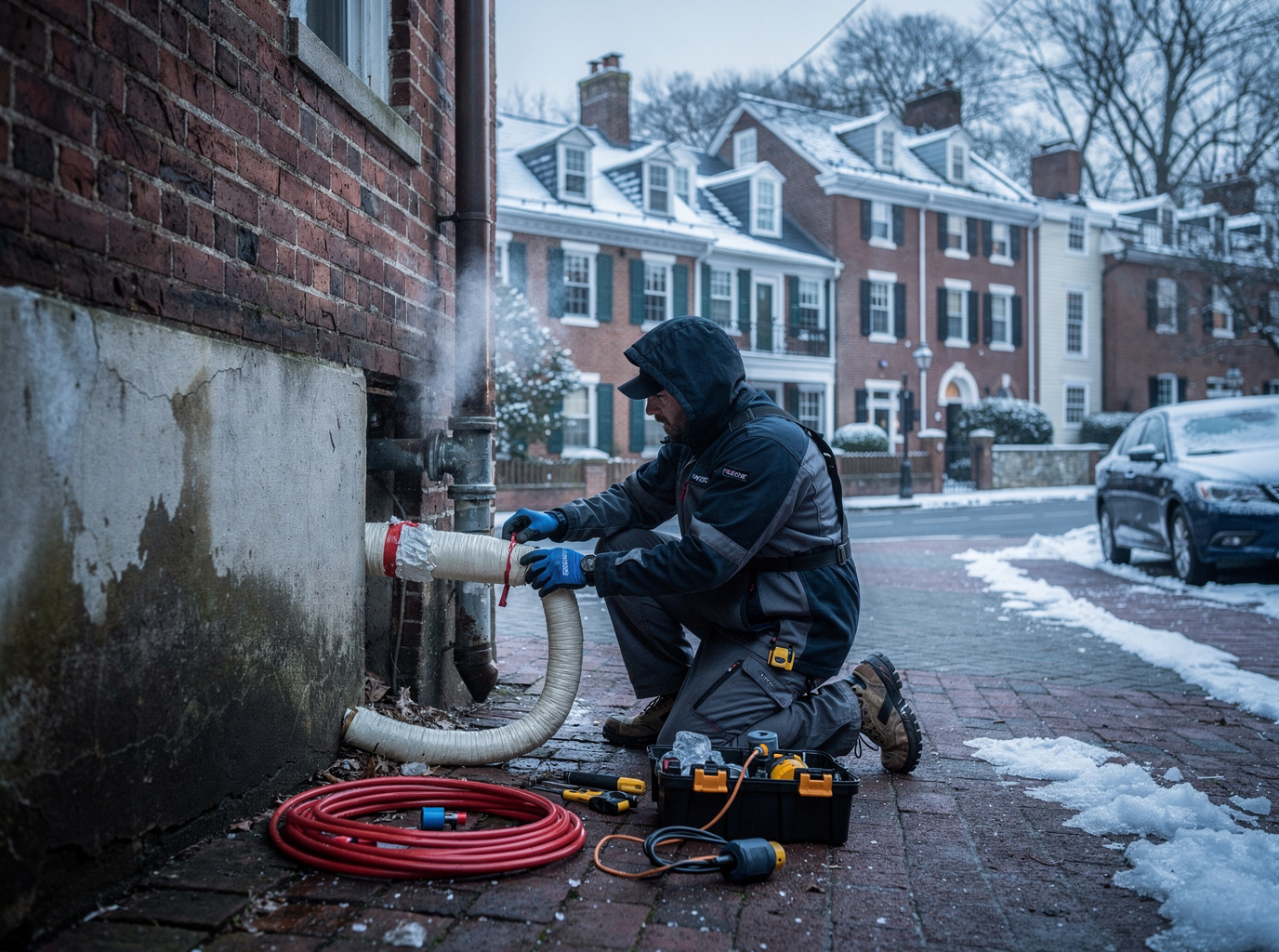
Preventing pipe bursts in older Annapolis properties during winter freezes primarily involves insulating exposed pipes, maintaining consistent indoor temperatures, and addressing any drafts or poor sealing in unheated areas. Homes in neighborhoods like Historic Annapolis, Eastport, and Murray Hill, often built decades ago, frequently feature original plumbing that is more susceptible to freezing than modern installations. While a full repiping might be ideal for properties with aging galvanized or copper lines, practical steps like ensuring attic and crawl space pipes are wrapped, keeping cabinets under sinks ajar on cold nights, and allowing faucets to drip can significantly reduce risk. Ignoring these precautions can lead to substantial water damage, requiring extensive cleanup and repairs, particularly when the humid subtropical climate transitions to its cool winter phase, bringing temperatures well below freezing.
Understanding the Vulnerability of Older Annapolis Homes
Annapolis boasts a rich history, with many homes in areas like West Annapolis and Admiral Heights dating back to the early to mid-20th century. While charming, these properties often come with plumbing systems that weren't designed with modern insulation standards in mind. Pipes, particularly those running through unheated crawl spaces, attics, or exterior walls, are highly vulnerable. The materials themselves, such as older copper or galvanized steel, can also be more prone to cracking under the immense pressure of freezing water compared to more flexible PEX piping found in newer constructions. The cool winters in Anne Arundel County, with overnight lows frequently dipping into the 20s or even teens, create ideal conditions for water within these pipes to freeze and expand, leading to ruptures and significant water damage.
Key Areas for Pipe Burst Prevention
Focusing your prevention efforts on specific high-risk areas within your Annapolis home can yield the best results. These typically include basements, crawl spaces, attics, and exterior walls where pipes are exposed to colder temperatures. In a historic city like Annapolis, where many homes sit close to the water, such as near City Dock or along Spa Creek in Eastport, the moisture content in the air can exacerbate the cold's impact on pipes. Pay particular attention to pipes supplying outdoor spigots, laundry rooms, or those running through uninsulated garages. Even a small unheated utility closet can pose a risk if pipes are routed through it without proper insulation. Identifying these cold zones before winter sets in is a critical first step.
Practical Steps for Insulating Exposed Pipes
Effective insulation is your first line of defense against frozen pipes. For pipes in unheated areas like crawl spaces or attics, foam pipe insulation sleeves are an affordable and easy-to-install solution. These are available at most hardware stores and simply slip over the pipes. For more extreme cold or hard-to-reach areas, heat tape or heat cables can be applied, which provide a gentle, consistent warmth to prevent freezing. Remember to follow manufacturer instructions carefully for these electrical products. Don't forget to disconnect and drain garden hoses and insulate outdoor spigots before the first hard freeze. Even pipes running through cabinets on exterior walls, common in older kitchens and bathrooms, benefit from insulation or simply leaving cabinet doors open during extreme cold snaps to allow warmer indoor air to circulate.
Maintaining Indoor Temperatures and Addressing Drafts
A consistent indoor temperature is vital, especially during cold snaps. While it might be tempting to lower your thermostat significantly when you're away or asleep, keeping your home at at least 55°F (13°C), even in unoccupied rooms, can prevent pipes from freezing. For homes in Murray Hill or near the U.S. Naval Academy, where many properties are older and may have less efficient windows and doors, addressing drafts is equally important. Seal cracks around windows and doors with weatherstripping or caulk. Check for gaps in your foundation or around utility penetrations that could allow cold air into crawl spaces or basements. Even a small draft can significantly drop the temperature around an exposed pipe, increasing its vulnerability. If you discover a burst pipe, immediate action is crucial; our team provides comprehensive guidance on Burst Pipe Water Damage Restoration.
What to Do If Your Pipes Freeze (But Haven't Burst)
If you suspect a pipe is frozen but hasn't burst, you might notice reduced water flow from a faucet or no water at all. The key is to act quickly and carefully. First, turn off the main water supply to your home. Then, open the affected faucet to relieve pressure. You can attempt to thaw the pipe using a hair dryer or heat lamp, moving the heat source constantly along the pipe. Never use an open flame torch, as this is a serious fire hazard and can damage the pipe. If the frozen pipe is in an inaccessible location or you're unsure, it's best to call a professional plumber. Attempting to thaw a pipe improperly can lead to a burst if the ice expands further or if the pipe was already compromised. If you experience significant water damage from a burst pipe, our team is ready to assist with Emergency Water Removal in Annapolis and Anne Arundel County.